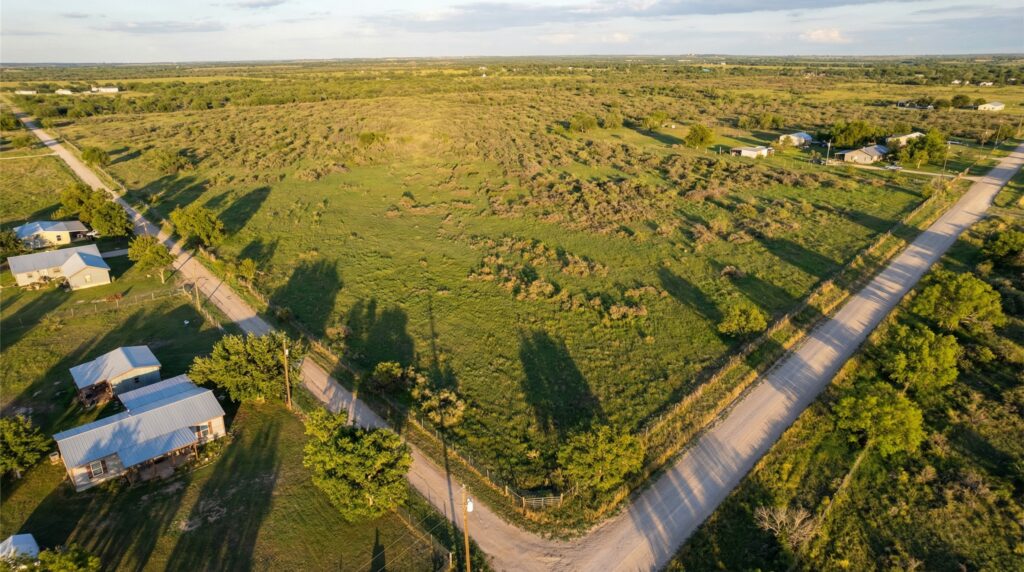

When it comes to real estate investing, the typical image involves rental properties, tenants, and steady monthly income, particularly through single-family homes. However, investing in vacant land is increasingly favored by those seeking long-term growth, reduced risk, and simplicity.
At Realis Land Investments, we cater to both novice and seasoned investors aiming to build wealth efficiently through land ownership. Below, you’ll find a comprehensive comparison to help determine which asset class aligns better with your investment objectives.
Investing in Single-Family Homes
| Pros | Cons |
|---|---|
| Ongoing rental income from tenants | Constant maintenance: roofs, plumbing, HVAC, appliances |
| Many financing options through banks and lenders | Tenant-related issues: vacancies, late payments, evictions |
| Easy to understand and widely recognized as an investment | Higher monthly costs: insurance, utilities, management, repairs |
| More exposure to local economic swings and rental market conditions |
Single-family homes can be powerful for cash flow, but they behave like a small business. You (or your property manager) are actively involved, and your returns depend heavily on reliable tenants and ongoing upkeep.
Investing in Vacant Land
| Pros | Cons |
|---|---|
| Extremely low maintenance—no buildings, no tenants, no repairs | Usually no immediate rental income |
| Lower holding costs in many areas (property taxes, minimal insurance) | Traditional banks rarely finance raw land, so buyers often use cash or owner financing |
| Flexible exit strategies: sell to builders, homeowners, or other investors | Requires proper due diligence: legal access, zoning, utilities, flood zones, restrictions |
| Ideal for long-term “land banking” as areas grow and develop | |
| Often easier to buy below market value than improved properties |
For investors focused on simplicity and long-term appreciation, vacant land offers a “set it and forget it” style of investing. With the right parcel in the right location, your land can quietly increase in value while requiring almost no day-to-day involvement.
Why Some Investors Prefer Low-Maintenance Land
Many investors shift from rentals to land after experiencing:
-The time drain of managing tenants, repairs, and emergencies
-Unexpected costs that eat into cash flow
-Desire for truly passive, hands-off assets
Vacant land avoids most of these issues. There are no calls in the middle of the night, no damaged interiors, and no ongoing renovations. You simply pay your property taxes, keep your records in order, and let the market work over time.
Common Strategies for Vacant Land Investors
| Strategy | Description |
|---|---|
| Buy & Hold (Land Banking) | Purchase land in path-of-growth areas or desirable rural locations. Hold for several years as demand increases. Sell later at a higher price to builders, developers, or end-users. |
| Land Flipping | Buy at a discount from motivated sellers. Confirm access, title, and basic usability. Resell at or near retail prices to buyers looking for homesites, recreational land, or long-term investments. |
| Plan for Future Development | Secure land now for a future home, cabin, or small project. Benefit from appreciation in the meantime. Build when timing and finances make sense. |
Which Is Better for You?
| Single-family homes may fit you if: | You want monthly rental income and are comfortable with active management. You don’t mind repairs, vacancies, and working with property managers. |
| Vacant land may fit you if: | You want a low-maintenance, long-term investment. You’re focused on appreciation, diversification, and simplicity. You value lower entry prices and flexible exit options. |
| Aspect | Vacant Land | Single Family Home |
| Purchase Price | Usually lower total price; cheapest in rural or undeveloped areas. | Higher because the structure, utilities, and improvements are included. |
| Financing | Harder to finance; higher down payments, shorter terms, sometimes no conventional loans. | Much easier; wide availability of conventional, FHA, VA, and investor loans. |
| Cash Flow | Typically no income unless leased for farming, storage, billboards, etc. | Can generate monthly rent or owner‑occupant savings vs paying rent elsewhere. |
| Carrying Costs | Mainly property taxes and basic insurance; little to no maintenance. | Taxes, insurance, repairs, maintenance, utilities (sometimes), and HOA in some areas. |
| Maintenance | Minimal; occasional mowing, access upkeep, or fencing. | Ongoing: roofs, HVAC, plumbing, painting, appliances, landscaping. |
| Management Effort | Very low; mostly “buy and hold” with rare intervention. | Active management of tenants, leases, repairs, and turnovers (or pay a manager). |
| Appreciation | Can be high if in path of growth or rezoned, but timing is uncertain. | Generally tracks housing market; more stable and predictable over time. |
| Value-Add Potential | Rezoning, subdividing, adding utilities, or entitlements can dramatically raise value. | Renovations, adding square footage, better finishes, or improving rent operations. |
| Risk | Market, zoning, and development risk; may sit for years with no income. | Tenant risk, property damage, vacancies, and local economic downturns. |
| Liquidity / Resale | Fewer buyers; can take longer to sell, especially rural land. | Larger buyer pool (homeowners + investors); often easier and faster to sell. |
How Realis Land Investments Helps
At Realis Land Investments, we specialize in sourcing and selling buildable, well-vetted land. We focus on:
-Confirming legal access and driveway easements
-Reviewing zoning, basic utility availability, and general usability
-Ensuring clear, marketable title
-Offering straightforward purchasing options, often including owner financing
That way, you can spend less time worrying about risk and more time planning your investment strategy.