
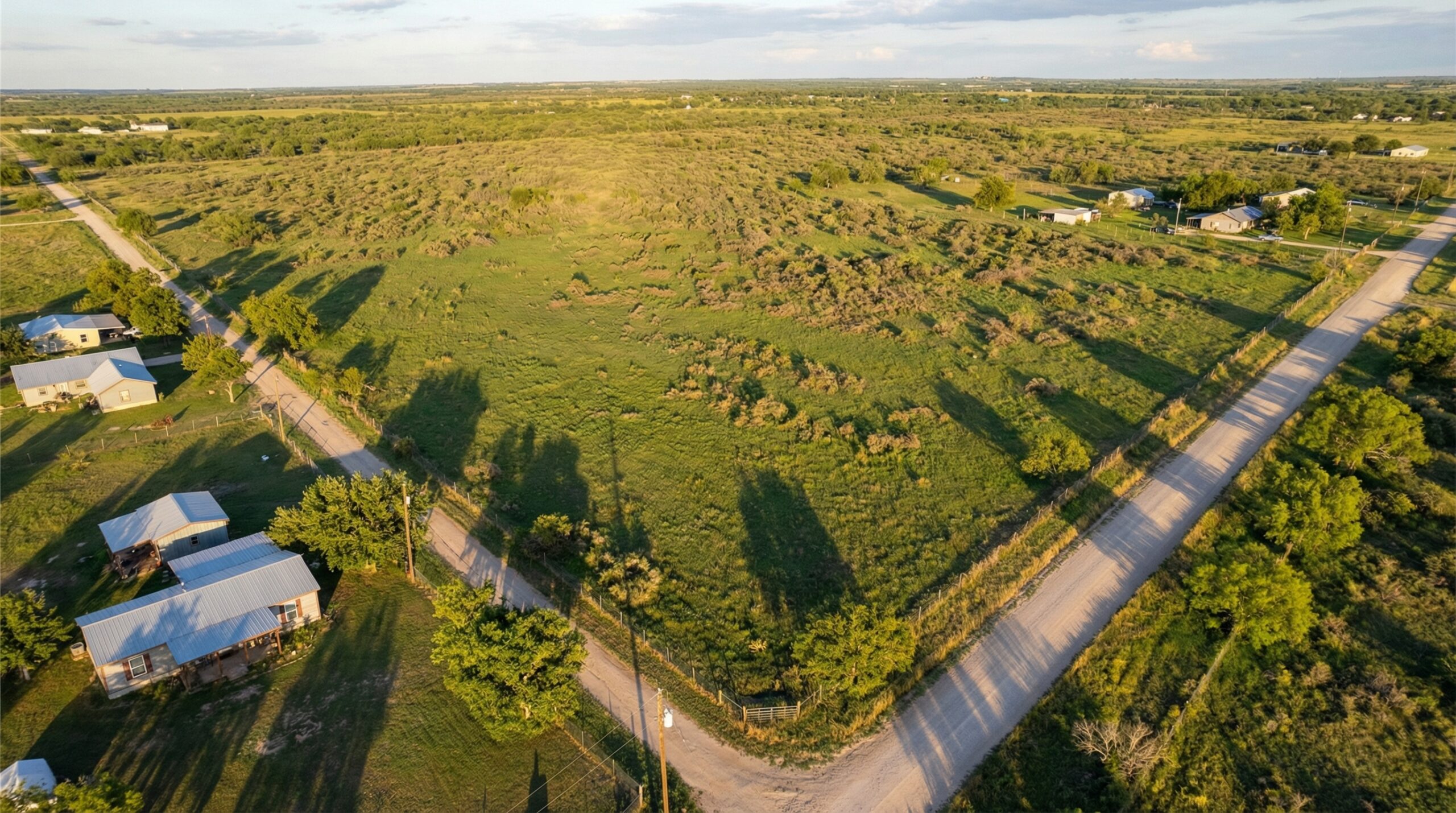
When considering purchasing rural land, several factors come into play that can profoundly affect investment outcomes. Understanding what to evaluate before making a purchase is crucial for potential landowners. This article outlines important factors to consider, touching on the nature and classification of vacant land, its market value, zoning laws, environmental concerns, financing, and more.
What Constitutes Vacant Land
Vacant land refers to parcels that are currently not subject to any structures or significant improvements. This type of land is often deemed “raw” or “undeveloped,” with no buildings, utilities, or visible cultivation. Its definition extends beyond a lack of development to include its latent possibilities for future use. Understanding the characteristics of vacant land helps in assessing potential development opportunities or conservation needs.
Vacant Land Vs. Developed Land
The primary contrast between vacant and developed land lies in the presence or absence of structures and infrastructure. Developed land has buildings or other improvements, possibly including utilities like water, electricity, and sewage systems. In contrast, vacant land often requires substantial investment to build these systems from scratch. Buyers need to consider their willingness to undertake development projects and the associated costs when deciding between these options.
Assessing the Market Value of Vacant Land
Determining the fair market value of vacant land can be complex. Factors such as location, accessibility, total size, potential for development, local real estate trends, and comparable land sales in the area play significant roles. Appraising experts or real estate agents specializing in land sales can provide invaluable insights into fair pricing and negotiation strategy.
Zoning Regulations for Vacant Land
Zoning laws dictate permissible uses of land, varying significantly by locality. These regulations are crucial for determining what type of development or activities can occur on a piece of land. Before purchasing, potential owners must verify zoning classifications and any associated restrictions or allowances. Consulting with local planning or zoning departments ensures legal compliance and aligns with investment intentions, whether for residential, commercial, industrial, or agricultural uses.
Environmental Assessments for Vacant Land
Environmental assessments evaluate any environmental liabilities or restrictions tied to the land. They investigate issues such as soil contamination, endangered species habitats, and historical land use impacts. Understanding these factors can prevent future legal and financial headaches and aid in making environmentally responsible decisions. Further, some states legally mandate environmental assessments before significant land transactions or developments.
Financing Options for Vacant Land Purchases
Financing vacant land can be more challenging than traditional property purchases. Traditional mortgages are often unavailable for land without development. Buyers may explore land loans through banks, credit unions, or specialized land loan providers. Additionally, selling vacant land without using a realtor can lead to direct transactions with reputable land buyers offering financing options. Understanding these financial pathways is critical for making informed purchasing decisions.
Pros and Cons of Holding Vacant Land
Owning vacant land offers unique advantages, such as long-term appreciation, investment potential, tax incentives, and the flexibility of future development. However, it comes with downsides, including upkeep costs, potential zoning changes, and opportunity costs from tied-up capital. Buyers should carefully weigh these benefits and drawbacks based on their investment goals and financial capabilities.
Impact of Vacant Land on Community Planning
Vacant land affects community planning and development dynamics. Properly integrated, such land can offer new housing solutions, community amenities, or green spaces enhancing urban living standards. Conversely, mismanagement can lead to urban sprawl or environmental degradation. Thoughtful collaboration with community planning agencies can ensure these lands contribute positively.
Vacant Land as a Resource for Renewable Energy
With global trends heading towards sustainable practices, vacant land provides an attractive avenue for renewable energy projects, such as solar or wind farms. These projects can generate ongoing income while contributing to environmental sustainability. Buyers interested in these options should explore feasibility studies and governmental incentives supporting renewable energy developments.
The Role of Government in Vacant Land Development
Various levels of government influence vacant land use through legislation, zoning, environmental regulations, and incentives for development. Governing bodies may also offer grants or financial programs to promote specific land uses, like conservation or affordable housing. Understanding the role of governmental policies helps buyers align their land use plans with civic goals and capitalize on possible support.
In conclusion, evaluating rural land requires a comprehensive understanding of market conditions, legal frameworks, financial implications, and broader societal impact. Whether intending to develop the land or hold it as an investment, mindful assessment of these factors is crucial. By doing so, buyers can make informed decisions that achieve economic benefits while contributing positively to community and environmental goals.